
Upgraded Watt Power Meter Plug
4.6Editor score
7 display modes
Overload protection
Easy plug-in setup
Discover the top electricity meter for RV options compared for accuracy and durability to help you monitor usage and reduce costs effectively.
Finding the right electricity meter for RV use is crucial for managing power consumption efficiently. Modern digital meters offer precise tracking of kWh usage, helping you avoid unexpected bills and optimize your energy setup.
We compared ten leading models based on accuracy, installation ease, and durability. Our analysis covers sub-meters, plug-in monitors, and surge protectors with energy tracking to suit different RV power needs.
Each pick highlights unique features like real-time data, solar compatibility, or heavy-duty protection. Prices and availability change frequently, so check current listings before making your final decision today.
4.6Editor score
4.5Editor score

3.5Editor score
This table compares all ten selected meters side by side. Note key specs like voltage range, installation type, and unique features to find the best fit for your RV setup.


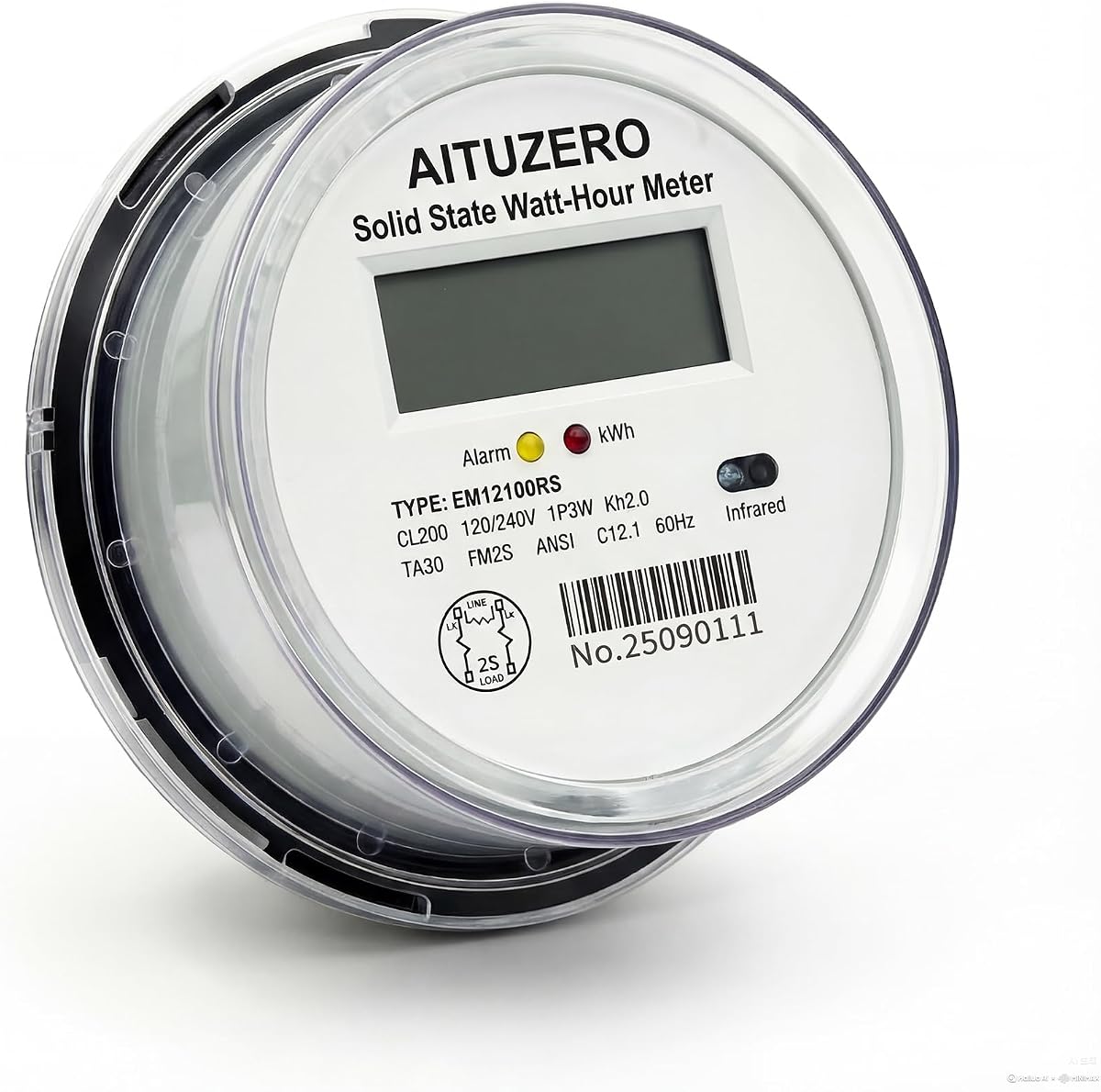
This digital energy meter stands out for RV and rental applications with its robust design. It earns high marks for accuracy and ease of use in standard 2S sockets.
We may earn a commission when you buy through this link, at no additional cost to you.
Its bright LCD and labeled terminals simplify setup. The solid-state design ensures long-term stability even with heavy loads like HVAC systems.
Installation requires some electrical knowledge. It fits best in sub-panels or pedestals where professional wiring is feasible.
Ideal for serious RVers needing reliable metering. The data retention and communication options make it a top choice for energy management.
Solid-state electronics ensure long-term stability for 60Hz systems.
Bright LCD auto-cycles through voltage, current, and power data.
We may earn a commission when you buy through this link, at no additional cost to you.
This monitor offers robust 240V monitoring for RV systems. It fits standard sockets and provides reliable readings for fair cost allocation.
We may earn a commission when you buy through this link, at no additional cost to you.
The backlit LCD ensures visibility in dark utility spaces. Built for tough conditions, it withstands weather and heavy loads well.
It lacks advanced communication ports. Users seeking smart integration may need to look at models with Modbus support.
Great for straightforward RV power tracking. Its durability makes it suitable for frequent moves and outdoor pedestals.
Designed to ANSI Form 2S for standard 4-Jaw meter sockets.
Built-in LED confirms normal operation for peace of mind.
We may earn a commission when you buy through this link, at no additional cost to you.
This plug-in meter is a top budget option for monitoring individual appliances. It tracks kWh, watts, and cost without any wiring.
We may earn a commission when you buy through this link, at no additional cost to you.
The 2.36-inch screen is clear and backlit. You can set overload warnings and customize backlight time for convenience.
It is limited to 120V plugs. For main RV power, use a hardwired meter instead of this device.
Best for checking appliance efficiency. It helps you find high-energy devices quickly and adjust usage patterns.
Monitor power, voltage, amps, hertz, and power factor easily.
Displays OVERLOAD warning when appliance exceeds power limits.
We may earn a commission when you buy through this link, at no additional cost to you.
This meter offers high precision energy tracking for RV and home use. Its 0.5-level accuracy ensures reliable data for billing or solar monitoring.
We may earn a commission when you buy through this link, at no additional cost to you.
Triple resistance to dust and water protects internal components. The high-definition display makes readings easy at any angle.
Installation involves wiring into a pedestal or panel. It meets ANSI standards for safety and measurement accuracy.
Ideal for users needing accurate data. The durable build supports long-term use in harsh environments.
Sharp digital readout ensures intuitive data visualization.
Triple resistance boosts longevity in complex environments.
We may earn a commission when you buy through this link, at no additional cost to you.
This unit combines surge protection with detailed energy monitoring. It helps you verify usage at metered RV parks and protects electronics from spikes.
We may earn a commission when you buy through this link, at no additional cost to you.
The 16,000 Joule rating shields expensive electronics. Real-time amperage helps prevent breaker trips during high-load events.
It is pricey compared to basic meters. The safety features like internal temp monitoring add value for heavy users.
Best for Class A motorhomes needing full protection. It balances cost protection with energy tracking seamlessly.
LCD displays accumulated energy to avoid guessing usage.
Track six parameters to balance loads and prevent trips.
We may earn a commission when you buy through this link, at no additional cost to you.
This plug-in meter helps track appliance usage easily. It calculates costs and shows power factor for informed decisions.
We may earn a commission when you buy through this link, at no additional cost to you.
The ABS body is durable and fireproof. White backlight improves visibility in dim rooms during the night.
It does not handle main RV power. Use it for fridges or microwaves to understand their impact.
Best for quick checks. Save data and reset easily after each appliance test.
Switch eight modes to see power, cost, and voltage data.
Flashes OVERLOAD warning to ensure user safety.
We may earn a commission when you buy through this link, at no additional cost to you.
This meter supports advanced integration with Modbus and pulse outputs. It tracks import/export for solar users and stores data reliably.
We may earn a commission when you buy through this link, at no additional cost to you.
The large backlit LCD shows voltage and current. Authorized access allows configuration without opening the panel.
It requires professional setup. Best for users managing multiple circuits or solar systems.
Ideal for tech-savvy owners. The data integration supports centralized energy monitoring effectively.
Measures flow for solar and bidirectional power monitoring.
Supports connection with gateways and data loggers.
We may earn a commission when you buy through this link, at no additional cost to you.
This 2-wire meter provides clear kWh tracking for RV pedestals. Its sturdy housing and high rating show consistent quality.
We may earn a commission when you buy through this link, at no additional cost to you.
The plug-in design fits standard 4-jaw sockets. It is easy to read with a simple display.
Best for 2-wire setups. Ensure compatibility before purchase to avoid installation issues.
Ideal for campers needing basic metering. It balances practicality and long-term energy tracking.
Compatible with standard 4 jaw meter sockets.
Easy-to-read screen helps daily power monitoring.
We may earn a commission when you buy through this link, at no additional cost to you.
This meter offers precise readings with ANSI compliance. It is built to withstand dust, water, and voltage fluctuations.
We may earn a commission when you buy through this link, at no additional cost to you.
The high-def display delivers sharp real-time data. It fits standard sockets and supports daily use.
Installation requires proper wiring. Best for users needing professional-grade monitoring.
Ideal for reliable RV tracking. It provides stable operation across diverse environments.
Precision display ensures clear data readout.
Withstands harsh conditions to extend service life.
We may earn a commission when you buy through this link, at no additional cost to you.
This meter uses a split-core CT for easy clamping. It monitors generator loads without cutting wires.
We may earn a commission when you buy through this link, at no additional cost to you.
The wide AC range suits various panels. Overload alarms and memory functions support troubleshooting.
Use for separate legs in split-phase. Accuracy is solid for practical monitoring tasks.
Ideal for DIYers. It balances practicality and load management for shops or RVs.
Clamps around live conductor for easier installation.
Suitable for 80-260VAC circuits.
We may earn a commission when you buy through this link, at no additional cost to you.
Choosing the right meter depends on your RV's power needs and desired features. This guide explains key factors to consider.
Ensure the meter matches your RV's voltage (120V, 240V) and phase (single-phase, 2-wire, 3-wire). Mismatched systems will not function or may cause errors.
Check the product specs to confirm compatibility before purchasing.
Decide between plug-in monitors for 120V outlets or hardwired meters for main power pedestals. Plug-in models are easier to set up.
Select a type that fits your wiring skills and location.
Look for ANSI class ratings like 0.5 level for higher accuracy. More precise data helps with billing or solar tracking.
Higher accuracy means better long-term tracking.
Features like Modbus, RS485, or pulse output enable data logging or smart home integration. Standard models may just show a screen.
Choose based on whether you need external data access.
A clear backlit LCD is essential for reading in low light. Some models cycle through data automatically.
Prioritize visibility for frequent checks.
Housing should be dustproof and waterproof for outdoor use. Look for triple protection if the meter is in a pedestal.
Robust build ensures long-term reliability in harsh conditions.
EEPROM memory keeps data during power outages. This is critical for tracking total consumption over months.
Ensure the meter retains usage after restarts.
Prices vary widely between plug-in and hardwired models. Consider total cost including any required wiring.
Balance features with your financial constraints.
For plug-in meters, simply plug into the outlet and connect your appliance. Press buttons to cycle through voltage or cost data.
Hardwired meters require professional wiring to the breaker panel. Check that terminals match line and load directions before powering on.
Clean the display regularly with a dry cloth. Avoid exposing internal components to moisture when checking connections.
Plug-in meters connect to 120V outlets for individual appliances. Hardwired meters connect to main power lines for total consumption tracking.
Yes, hardwired models involve panel connections and must follow safety codes. A licensed electrician ensures proper setup.
Some models support bidirectional tracking for import/export. Check for specific solar features like reverse-flow LED indicators.
Most meters have EEPROM memory to retain data after outages. This ensures your totals are preserved until power returns.
ANSI compliant models meet industry standards for accuracy. They provide reliable data for fair allocation or billing.
Check your RV's main breaker panel or pedestal. 3-wire uses L1, L2, and Neutral; 2-wire uses one hot and neutral.
We reviewed ten models ranging from plug-in monitors to advanced sub-meters. Each option balances accuracy, durability, and ease of use.
Prioritize features like Modbus or solar tracking if you need detailed data. Otherwise, standard meters work well for basic usage.
Always verify current prices and availability. Your ideal meter may change based on your specific RV setup.