
Goplus 2.5FT x 20FT Solar Pool Heater
3.7Editor score
Roll-up design for easy storage
All-weather PE material construction
Connects to existing pool pumps
Extending your swimming season without breaking the bank is a dream for many pool owners. A DIY solar pool heating system offers an eco-friendly solution that harnesses the sun to warm your water naturally. These systems are designed to be installed with minimal professional help, saving you money on labor costs while maximizing efficiency.
We have evaluated the top-rated systems available on the market today to help you make an informed decision. Our comparison focuses on durability, heat absorption efficiency, ease of installation, and overall value for money. Each product listed has been selected based on customer feedback and technical specifications to ensure reliable performance.
Every pick in this guide highlights unique features that cater to different pool sizes and installation environments. Whether you have an above-ground or in-ground pool, there is a solution tailored to your needs. Please note that prices and availability can change, so check the current listings before making your final purchase.
3.7Editor score
4.7Editor score

4.5Editor score
As an Amazon Associate we earn from qualifying purchases.
This side-by-side comparison highlights the key specifications and features of the top ten DIY solar pool heating systems available today. By reviewing these metrics, you can easily identify which system aligns best with your pool size and climate needs.



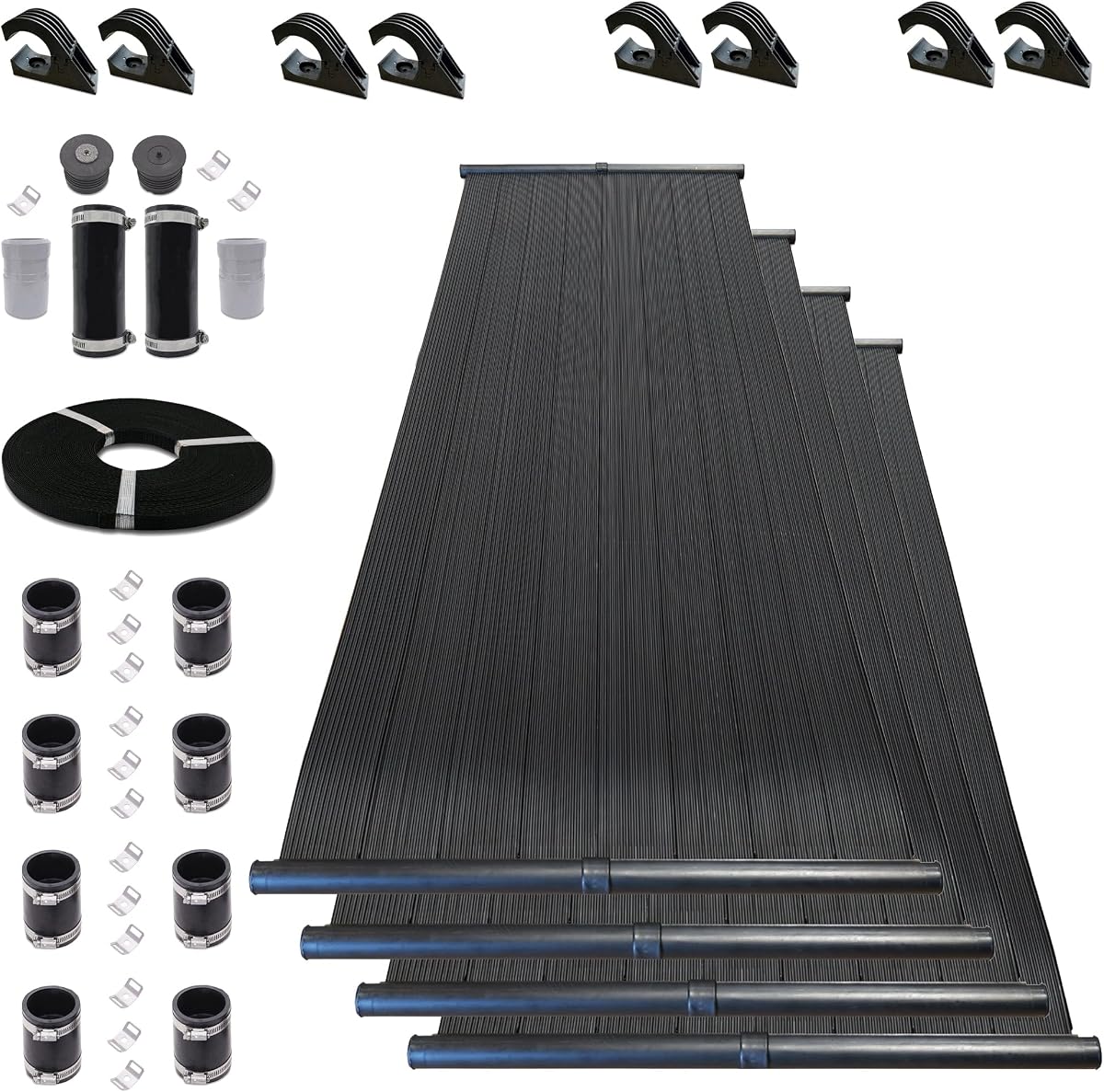
This kit stands out as the premier choice for homeowners seeking long-term reliability and high performance. With a rating of 4.7 stars, it reflects customer satisfaction with its ability to extend swimming seasons significantly. The standout quality lies in its specialized absorber technology that captures more heat than standard panels.
We may earn a commission when you buy through this link, at no additional cost to you.
The design focuses heavily on water flow efficiency. By molding the manifold directly around the absorber tubes, the system removes barriers that typically slow down circulation. More flowing water means more heat is transferred to your pool, ensuring that even on partially cloudy days, the system performs effectively.
While the durability is exceptional, the initial cost is higher than budget alternatives. However, this investment is justified by the expected lifespan of 15 to 20 years. The trade-off is minimal considering the reduced need for replacements and the consistent heating performance over time.
This system is ideal for pool owners who prioritize longevity and efficiency over upfront savings. If you want a setup that requires little maintenance and delivers consistent heat for decades, this is the recommended choice for your DIY project.
The absorber technology ensures that every ray of sunlight is converted into usable thermal energy for your water.
The unique header design allows water to exit freely into each tube, preventing bottlenecks and boosting efficiency.
We may earn a commission when you buy through this link, at no additional cost to you.
This kit is engineered for those who demand industrial strength and aesthetic appeal. Its 4.5 rating highlights the robustness of its design, which is built to withstand severe weather conditions. The key differentiator is the high-wind strapless mounting system that offers a sleek flush look.
We may earn a commission when you buy through this link, at no additional cost to you.
The patented panel clamps replace traditional rubber hoses and metal clamps that often fail over time. This innovation not only reduces maintenance but also allows panels to be mounted closer together. The result is a more efficient and visually attractive system that looks integrated with your home.
The primary trade-off is that it is best suited for specific roof types or areas where this mounting system can be applied effectively. While it offers maximum freeze resistance, users must ensure their pool volume matches the coverage area to avoid inefficiencies.
Homeowners with windy climates or those seeking a premium finish should consider this option. It balances high-end engineering with ease of use, making it a top contender for those who want a robust system without compromising on style.
The design is certified to withstand violent storm winds, ensuring your system stays secure during extreme weather events.
Eliminating hoses reduces leak points and maintenance, allowing for tighter panel spacing and better overall efficiency.
We may earn a commission when you buy through this link, at no additional cost to you.
This model offers an accessible entry point into solar pool heating with a focus on flexibility and cost. While the 3.7 rating suggests mixed reviews, it remains a popular choice for those needing a quick, affordable solution. Its ability to raise temperatures by 10.8 degrees is impressive for its price point.
We may earn a commission when you buy through this link, at no additional cost to you.
The use of PE material allows the heater to function effectively in extreme temperatures ranging from freezing to high heat. The roll-up design is a significant advantage for portability, making it easy to store during the off-season or move between different locations as needed.
However, the materials used may not last as long as premium alternatives, and the heating capacity is limited compared to larger systems. This trade-off is acceptable for seasonal users who do not need a permanent, heavy-duty installation year after year.
Ideal for small pools or temporary setups, this heater is perfect for budget-conscious buyers. If you need to extend your swim season without a major investment, this system provides a practical and eco-friendly solution.
The roll-up design makes it easy to carry anywhere, allowing you to use it on roofs, grounds, or frames as needed.
Complete connecting kits ensure you can hook it up to your water hose quickly without needing complex tools or plumbing.
We may earn a commission when you buy through this link, at no additional cost to you.
This replacement panel is perfect for homeowners who already have a solar system that has degraded over time. With a strong 4.6 rating, it offers a way to boost performance without buying a whole new setup. The universal compatibility makes it easy to fit onto existing frames.
We may earn a commission when you buy through this link, at no additional cost to you.
The absorber design combines the benefits of loose-tube and flat plate systems while avoiding their common flaws. Additionally, the flexible zip-joint system allows the panel to move slightly with temperature changes, reducing stress and preventing cracks that often lead to leaks.
The main limitation is that you buy it as a single panel, so sizing must be accurate for your specific needs. However, the quality of construction ensures that this addition will last as long as the original system, providing a cost-effective upgrade path.
If your current system is underperforming, this panel offers a high-quality refresh. It is best suited for those looking to maintain their existing solar infrastructure while improving heat transfer efficiency and extending system life.
Compatible with any panel attaching via hoses and a 1.5 inch header, making it versatile for many home setups.
The flexible joints allow natural movement, preventing damage from thermal expansion and ensuring long-term durability.
We may earn a commission when you buy through this link, at no additional cost to you.
These panels are designed to blend seamlessly with outdoor aesthetics while providing functional heating. The 3.6 rating reflects a balance between style and practicality. The curved shape helps direct sunlight efficiently into the internal channels, maximizing energy capture throughout the day.
We may earn a commission when you buy through this link, at no additional cost to you.
The materials include high-quality HDPE and PC, ensuring resistance to prolonged sun exposure. Adjustable aluminum legs allow you to optimize the angle for maximum sun exposure, which is critical for effective heating. The package includes everything needed for quick assembly without extra tools.
One drawback is that the individual panel size is smaller than industrial units, requiring multiple units for larger pools. This can complicate the overall setup but allows for flexible placement. The trade-off is acceptable if you prioritize design and ease of setup over bulk heating power.
This option is great for pool owners who want a sleek look without sacrificing too much efficiency. It is ideal for smaller pools or as an auxiliary heating source for a main system where appearance is a key consideration.
The modern black finish and curved shape ensure the panels look like a natural part of your backyard landscape.
Adjustable legs allow you to position the panels at the optimal angle for your latitude and sun path.
We may earn a commission when you buy through this link, at no additional cost to you.
This collector kit offers a straightforward way to add solar heating to an existing above-ground setup. The 3.3 rating indicates that while functional, it requires some additional planning for installation. It focuses on reducing reliance on gas or electricity to warm the water.
We may earn a commission when you buy through this link, at no additional cost to you.
The kit includes a 2-way diverter valve which acts as a switch to control flow to the solar panels. This is a valuable addition that simplifies management of the heating system. However, users must source their own PVC pipes to connect the system fully.
The lack of included pipes means you need to budget extra time and money for plumbing materials. This trade-off is manageable if you have basic DIY skills, but it may deter complete beginners. The system is reliable but requires careful attention to sizing charts.
Best for homeowners who want a customizable solution without buying a fully integrated unit. It offers a middle ground between budget options and professional systems, allowing you to tailor the setup to your specific pool and roof constraints.
The included diverter valve lets you easily switch between pool and solar heating to match the daily weather conditions.
Available in multiple sizes, you can choose the right collector area to match your pool volume effectively.
We may earn a commission when you buy through this link, at no additional cost to you.
This system is a compact alternative designed to fit into small spaces while still delivering heat. With a unique contoured clear cover, it creates a greenhouse effect that maximizes solar collection. This design makes it particularly effective for specific pool types and limited spaces.
We may earn a commission when you buy through this link, at no additional cost to you.
The inclusion of adapters for Intex pools makes it a ready-to-use option for popular above-ground models. The sturdy legs keep the panel at an angle to maximize sun exposure. However, it requires a bypass kit for use with larger pumps or in-ground pools.
The need for a bypass kit adds a layer of complexity that might not be obvious at first glance. This limitation means it is best suited for simpler setups where the plumbing is straightforward. The trade-off is acceptable for those needing a quick boost without major modifications.
Ideal for small above-ground pools or Intex models, this system provides an efficient way to warm water. If you have space constraints and need a dedicated solar unit that fits your existing pump specs, this is a strong candidate to consider.
The clear cover traps heat efficiently, ensuring that even with smaller panels, you see significant temperature gains.
Adapters are included to connect directly to Intex pools, saving you time on custom plumbing or fittings.
We may earn a commission when you buy through this link, at no additional cost to you.
This heating system is designed for ease of use and flexibility. The 4.5 rating highlights its effectiveness in capturing solar energy without complex components. The 2 x 20 design allows you to add capacity easily to your current pool setup.
We may earn a commission when you buy through this link, at no additional cost to you.
It performs most effectively when tilted to the South to maximize sun exposure. The design allows it to be mounted on the ground or on a rack, giving you installation freedom. The add-on kit ensures you can expand your heating capability as needed without buying a new system.
The small size means it needs to be part of a larger system for significant heating on its own. However, for seasonal boost or supplemental heating, it is highly effective. The trade-off is space versus power, which works well for modular setups.
Best for those who want to gradually build a solar heating system or add a unit to a specific area. It is user-friendly and efficient, making it a solid choice for DIYers who value simplicity and expandability in their pool maintenance routine.
Designed to be tilted for maximum exposure, ensuring you get the most out of available sunlight daily.
The add-on kit allows you to easily increase your heating area if your pool size grows or your needs change.
We may earn a commission when you buy through this link, at no additional cost to you.
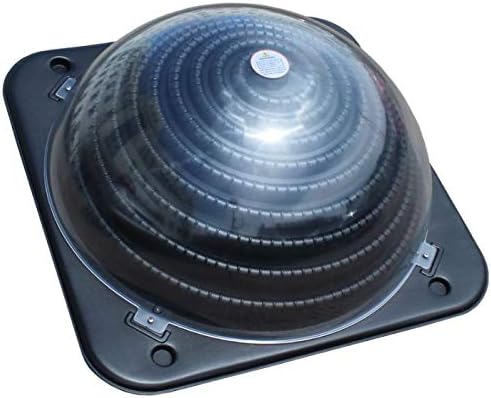
This system uses a unique dome design to heat water naturally using solar energy. With a 3.4 rating, it is a cost-effective option for extending the swimming season without complex electrical setups. The dome shape helps protect the internal components from harsh weather.
We may earn a commission when you buy through this link, at no additional cost to you.
Each dome can raise pool temperatures significantly in about seven days, offering rapid heating. Multiple collectors can be connected in series to increase capacity. However, a bypass kit is required for hooking up two or more heaters, which adds to the installation requirements.
The requirement for a bypass kit can be a hurdle for those with high pump capacities or complex plumbing. This limitation makes it less ideal for larger setups but perfect for small, simple pools. The trade-off is a simple, effective solution that requires minimal infrastructure.
Ideal for small above-ground pools looking for an easy, eco-friendly way to warm water. If you want to avoid gas or electric connections and need a quick seasonal upgrade, this dome system provides a straightforward and effective heating solution.
You can connect multiple domes to increase heating power, allowing for scalability as your needs change over time.
The system operates without gas or electric lines, using only the sun to circulate and warm your pool water.
We may earn a commission when you buy through this link, at no additional cost to you.
This collector utilizes advanced evacuated vacuum tube technology for high-efficiency heating. The 2.9 rating suggests that while technically superior, installation challenges exist for average users. The tubes offer 93 to 96 percent sun absorption efficiency, which is excellent for cold climates.
We may earn a commission when you buy through this link, at no additional cost to you.
The 316L stainless steel inner manifold provides high resistance to chlorinated water corrosion. This ensures the system lasts longer even in harsh pool conditions. The easy-to-disassemble design makes maintenance simpler, but setting it up requires precise alignment and sealing.
The main trade-off is that vacuum tubes are fragile and require careful handling during installation. If mishandled, performance drops significantly. However, once set up, the efficiency and lifespan are superior to flat panel systems. This is a high-performance option for those willing to invest effort.
Best for cold climates or areas with limited sunlight where efficiency is critical. If you need maximum heat capture and can handle complex assembly, this vacuum tube system offers professional-grade performance for your DIY pool heating needs.
The vacuum tubes reduce heat loss, maintaining high water temperatures even when outside air is cold.
The stainless steel manifold protects against chemical corrosion, ensuring the unit lasts for many years.
We may earn a commission when you buy through this link, at no additional cost to you.
Choosing the right solar heating system involves assessing your pool size, local climate, and available installation space. This guide breaks down the essential factors to ensure you select a system that delivers consistent warmth throughout the season.
The size of your pool determines how much collector surface area you need. As a general rule, the solar collector area should be at least 50 percent of the pool's surface area. Larger pools require more panels to maintain the water temperature effectively during cooler weather.
Check the product specifications to ensure the collector size matches your pool volume. If your pool is large, consider buying multiple panels and connecting them in series or parallel to cover the required surface area.
Look for systems made with high-grade materials like HDPE or UV-stabilized plastics. These materials protect the system from sun damage and harsh weather conditions. A durable system will last longer and require fewer replacements, saving you money over time.
Prioritize panels with robust headers and manifolds that are molded rather than glued. This design reduces the risk of leaks and ensures the unit can withstand temperature fluctuations without cracking or warping.
Some systems are designed for easy DIY installation with pre-assembled kits and clear instructions. Others require professional mounting or complex plumbing connections. Assess your skill level and tools available before purchasing to avoid unexpected installation hurdles.
Opt for kits that include mounting hardware and connectors. This reduces the need for extra purchases and ensures compatibility between all parts of the system, streamlining the setup process significantly.
If you live in an area with freezing temperatures, choose a system with maximum freeze resistance. Some panels are designed to drain water when not in use to prevent ice damage. This feature is critical for avoiding costly repairs in winter months.
Consider systems with airtight seals that prevent water from sitting in the tubes during cold nights. This prevents expansion damage that can lead to cracks or leaks in the internal piping.
Efficient water flow is key to transferring heat from the collector to the pool. Systems with wide headers and smooth internal designs reduce backpressure and allow more water to circulate. This ensures that the heat absorbed is distributed quickly throughout the pool.
Look for designs that eliminate flow barriers like hoses or narrow connections. Better flow means the pump works less hard, which can also reduce energy costs and wear on your filtration system.
Determine where you will install the panels. Roof mounting provides maximum sun exposure but may require structural assessment. Ground mounting is easier but might not capture as much sun depending on shading.
Check if the kit includes mounting brackets or if you need to buy them separately. Secure mounting is essential to withstand wind loads, so ensure the system has adequate straps or anchors for your specific roof type.
A long warranty period indicates the manufacturer's confidence in the product. Look for warranties that cover structural integrity and UV degradation for at least ten years. This protects your investment if the materials degrade prematurely.
Also check if the company provides installation support or manuals. Access to expert assistance can simplify the setup process and resolve any issues that arise during the first few weeks of use.
While initial costs vary, consider the lifespan of the system. Cheaper options might save money upfront but require frequent replacements. Investing in a longer-lasting system often proves more economical in the long run.
Calculate the cost per year of the system based on its expected life. This helps you compare different models objectively and choose the one that offers the best value for your specific heating needs.
Proper setup is essential for optimal performance. Connect the inlet to the pump and the outlet to the pool return line. Ensure all valves are open to allow water to flow freely through the collector panels before turning on the system.
Regular maintenance keeps the panels efficient. Clean the surface of the panels occasionally to remove dust or debris that blocks sunlight. Check the seals and connections for any signs of leaks every few months to prevent water loss and damage.
During the off-season, drain the water from the panels if you live in a freezing climate. Cover the system with a protective tarp to shield it from winter weather. This helps extend the lifespan and prevents ice from damaging the tubes.
Typically, these systems can raise the water temperature by 10 to 15 degrees Fahrenheit depending on sun exposure. The exact increase depends on the panel size, pool volume, and weather conditions during the day. Consistent daily use ensures the best results for extended swimming.
Most systems work with existing pool pumps, provided the flow rate is sufficient. Some units require a minimum pump capacity to push water through the panels effectively. It is important to check the pump specifications against the solar system requirements to ensure proper operation.
High-quality systems can last 15 to 20 years with proper maintenance. The lifespan depends on the materials used and exposure to harsh weather. UV-stabilized plastics and durable headers are designed to withstand long-term outdoor conditions without cracking.
Yes, many systems can be mounted on flat roofs using angled racks or stands. This helps tilt the panels toward the sun to maximize exposure. Ensure the mounting kit is rated for your roof type to prevent water leaks or structural damage.
Solar panels are weatherproof and can handle heavy rain without issues. In fact, rain helps clean the surface of the collectors. However, ensure all connections are sealed properly to prevent water from entering the plumbing lines during storms.
No, solar heating relies on sunlight to capture heat energy so it does not work at night. To retain heat overnight, using a pool cover is recommended. This traps the heat absorbed during the day and prevents it from escaping into the night air.
Yes, solar heating systems use clean energy from the sun, reducing the need for gas or electricity. This lowers your carbon footprint and saves money on energy bills. It is a sustainable way to enjoy your pool for longer periods each year.
Most systems allow you to connect multiple panels in series or parallel to boost heating power. This increases the surface area available to collect heat and warm more water. Just ensure your pump has enough capacity to handle the flow through additional units.
We have reviewed ten distinct options to provide a comprehensive look at what is available in 2026. From the durable SwimEasy kits to the versatile Goplus budget option, there is a system for every need and budget. Choosing the right one depends on your specific pool size and heating goals.
Prioritize durability and flow efficiency when making your final decision. A system that is easy to install but lacks robust materials may end up costing more in repairs. Ensure you select a unit that matches your climate conditions to get the most out of your investment.
Remember to check the latest listings before purchasing to confirm availability and shipping details. Prices may vary over time, so acting quickly after reading this guide can secure the best deal. We hope this guide helps you enjoy warm pool days for years to come.